
Is solar worth it in winter in Central Otago?
Cold mornings, frosty roofs, and shorter days. Here's what winter really does to your solar output in Central Otago, and why now might be the best time to switch on.

Are you holding off on getting solar because you think wintertime is too cold, too dark, or too frosty for panels to earn their keep? 

Will my solar work in winter? is one of the most common questions we get asked at Southern Solar. And the answer is, yes, solar in winter in Central Otago is absolutely worth it. And to help you understand why, we take a look at what actually happens to your system over winter, because a system designed with that in mind performs very differently to one that isn’t.

Read on to learn about how solar generation works in winter, what it means for your power bills, and how to decide whether now is the right time to install solar.
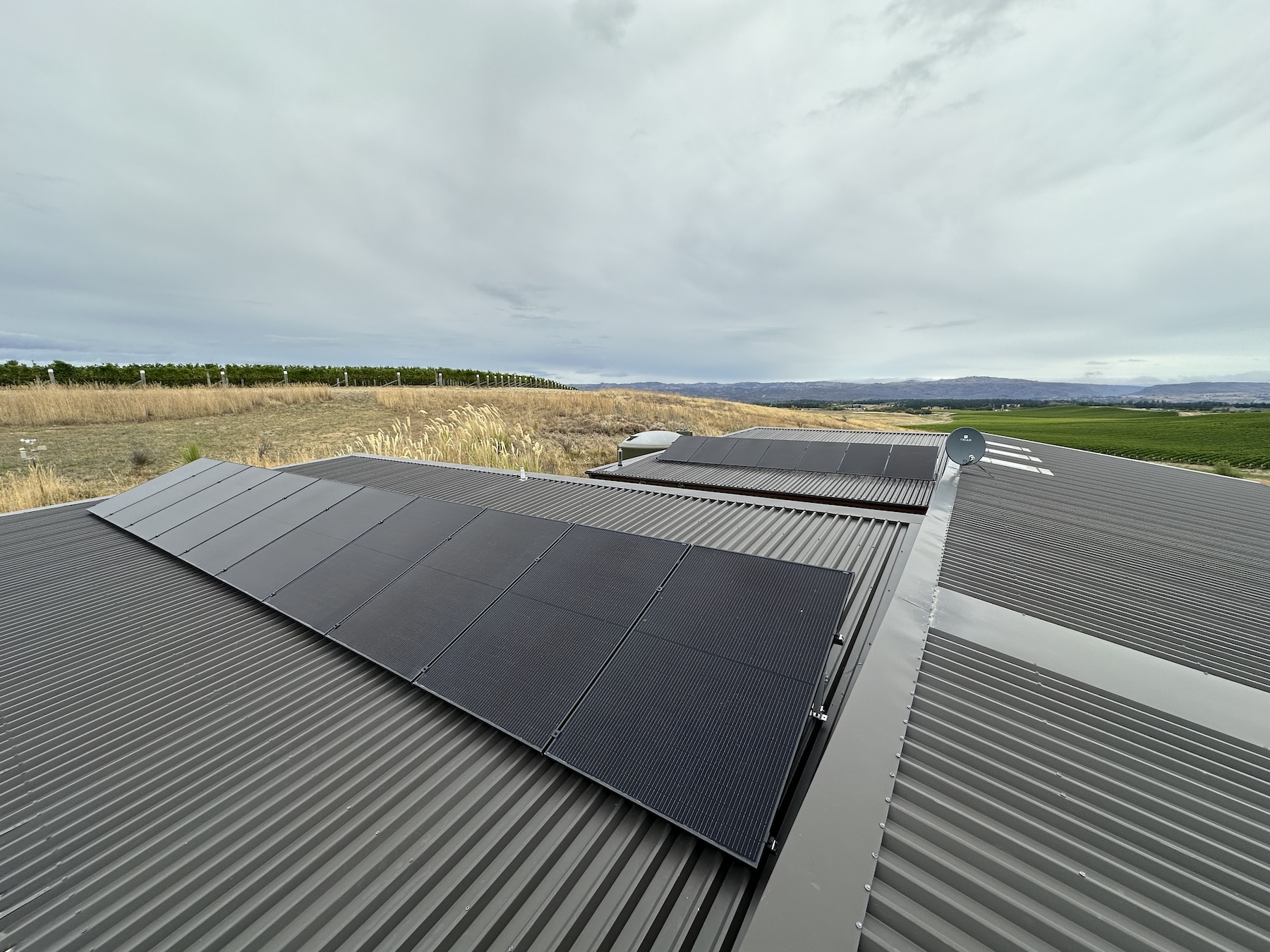
Alexandra Home Hero

Do solar panels work in winter?

They do, and in some ways cold weather actually helps. Solar panels are made from silicon, a semiconductor, the same basic material used inside phones and computers. Semiconductors do their job a little more cleanly in cooler conditions, so a panel converts a slightly higher share of the sunlight hitting it into electricity on a cold day than it would on a scorching one.

In cold weather, a panel’s electrons flow more cleanly, so it converts a slightly higher share of the sunlight hitting it into usable electricity. Most panels are rated to perform best around 25 degrees, and lose roughly 0.4 percent of their output for every degree above that. 

That said, summer is still your biggest generation season. Longer days and a higher sun angle mean far more total sunlight hits your roof, easily outweighing any small dip in efficiency from the heat. In winter, panels are slightly more efficient per hour in the cold, and in summer you simply have a lot more hours to work with.

What this means for winter is the reassuring part: those extra-efficient cold days help close some of the gap you’d expect from shorter daylight hours. On a crisp, clear Central Otago day, especially with snow on the ground reflecting extra light onto your roof, that efficiency bump can produce a surprisingly strong day’s generation.

What winter solar generation actually looks like

For a well-designed system in the Wānaka and Central Otago area, expect winter generation to sit noticeably lower than summer, often somewhere between a third and a half of peak summer output depending on your roof orientation, shading, and the month. Our high number of clear, cold, still days in winter helps offset shorter days better than a consistently overcast climate would.

A system sized purely around your summer usage might leave you short in July. A system sized with winter in mind, even if that means a slightly larger array or the right battery, is built to cover you through the months when your heating load is highest and grid power costs the most.


Winter Is when you need power most

Winter isn’t just the season with the least sun, it’s also the season with the highest household energy use. Heat pumps, hot water cylinders, underfloor heating all draw more through a Central Otago winter than they do in January. That means every kilowatt hour you generate or store is worth more precisely when the sun’s doing the least work.

A properly sized battery captures what your panels generate during short winter daylight hours and releases it through the cold evenings when your heating is running hardest, rather than that energy heading back to the grid at a low buyback rate while you pay full retail price to run your heat pump at 7pm.

We’ve broken down how to size a battery for exactly this scenario in Battery Sizing for a Central Otago Winter.

The Payback Period Question

A common assumption is that slower winter generation drags out payback on a solar investment. In practice it’s more nuanced than that. Because winter electricity is usually your most expensive to buy from the grid, every unit your system offsets in July is worth more to your bottom line than the same unit offset in January, even with fewer of those units overall.

Payback period comes down far more to your system size relative to actual usage, your retailer’s buyback rate, and whether you’re running a battery to shift winter evening load, than which season you switch the system on. A system properly specified around winter load tends to track closer to projections year round than one sized off generic averages.

For the full numbers and worked examples, see How Winter Affects Your Solar Payback Period in Central Otago.

Should You Install Now, or Wait Until Summer?

This is the other question we hear a lot. The truth is that timing your install around the seasons matters less than you think. Installation happens year round in Central Otago, weather windows permitting, and a system installed in winter starts offsetting your highest value electricity straight away rather than waiting on a warmer month to begin.

We’ve laid out the real considerations in Should You Install Solar Now, or Wait Until Summer?

The bottom line on solar in winter

Solar works through a Central Otago winter, it just needs to be designed for one. That means sizing the array around winter usage and daylight hours, choosing a battery size to carry you through cold evenings, and building a system around how you actually use power across the whole year, not just the sunniest months.

If you’re weighing up timing, or want a system sized properly for a Wānaka or Central Otago winter, we’re happy to talk it through. Get in touch for a free site assessment.

Frequently Asked Questions

Do solar panels work in winter in Central Otago?

Yes. Panels perform well through a Central Otago winter. Cold weather doesn’t reduce output and can even improve panel efficiency slightly. What lowers winter generation is shorter daylight hours and a lower sun angle, both of which a well-designed system accounts for from the start.

Does cold weather hurt solar panel performance?

No. Panels are semiconductors and tend to run a bit more efficiently in cooler temperatures than in summer heat. They’re also built and rated to handle far harsher conditions than a Central Otago frost, so cold poses no risk to lifespan or warranty.

Do I need a battery for winter solar in Central Otago?

A battery isn’t compulsory, but it makes a big difference through winter. It captures daytime generation and releases it through cold evenings when heating demand, and grid prices, are at their highest, rather than exporting that power at a low buyback rate.

Should I install solar now, or wait until summer?

There’s no strong technical reason to wait. Installation happens year round in Central Otago, and a system installed in winter starts offsetting your most expensive electricity straight away, rather than sitting idle until a warmer month arrives.

Ready for real numbers, not averages?

Every roof and household here is a little different. We’d rather model your actual property across all four seasons than quote you a generic estimate. If you’re curious what solar would realistically do for your place, including the winter months, we’re happy to talk it through.